
I am setting off on a new journey, and I want to take you along. As a history buff, whenever I travel, I want to know how the past has shaped the present. Every destination has its own special story to tell through its history. I love the feel of old buildings and cobblestone streets, steps worn with time, architectural details that hint of times gone by.
As I travel in our country, I love to discover the stories of the people who made it special. Which buildings are the oldest, who some of the most important people historically helped shape the destination, and where to learn more about the region and its history.
I live in Canton, Georgia, a small town in the foothills of the North Georgia mountains. Canton is the county seat of Cherokee County, which is named after the native Americans who made their home there from the mid-1700s until 1838 when they were removed by the Federal Government in the infamous Trail of Tears march to Oklahoma.
Cherokee County’s story is one of survival and greed, love of the land and desire for a good life. From the earliest people who roamed the forests and fertile valleys searching for food to the Native Americans whose name the county still holds to the pioneers who claimed it for themselves, the riches of Cherokee County have made it a desirable location.
Its history is a tale of determined and dedicated people who wanted to carve a home for their families out of the vast areas of wilderness and the opportunities they found when they arrived in their pioneer wagons and carts. Those early settlers brought with them more than just their worldly belongings. They brought with them a strong love of family and God, a thirst for knowledge, a vision and a work ethic.
Most of all they had within them the will to survive and thrive. Along with their first crops, they planted those beliefs and virtues. The seeds of their characters took root and are evident throughout the history of the county.
While Cherokee County’s history parallels the story of Georgia, it also often claims center stage in the state’s own narration. From those early days through the Civil War to the 20th century and forward to the present, Cherokee County has played an important role in the recounting of the state’s events.
Cherokee County is rich in natural resources and has long blessed those who choose to live there with abundance. First and foremost among those resources are the winding Etowah River and its tributaries. Along the banks of the river and creeks civilizations for thousands of years had made their home. Later, the streams of transportation, the railroad and highways, began to play an important role in the development.
Finally, it was the land itself that was the richest resource of all, whether mining its underground riches, harvesting its timber, farming the fertile soil and finally developing homes for a burgeoning population of a vibrant metro community.
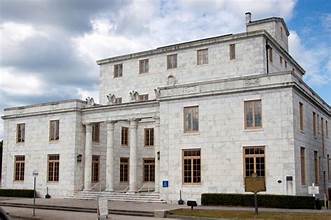
Visitors can find history in the buildings in Canton, including a white marble courthouse built in the 1920s out of one of the region’s greatest natural resources. Across the square, venture into the historic Jones Building, once a mercantile store and now home to restaurants and workspace.
Wander down Main Street past Menagerie on Main, an art gallery showcasing a plethora of local artwork set against the backdrop of an historic mill town house. Venture a bit further and find The Mill On Etowah, a former denim factory turned vibrant destination with a brewery, restaurants, co-working spaces, and riverside amenities, highly rated by visitors and locals alike.
Or venture in the other direction and discover more about Canton, Cherokee County, and its other cities at the Cherokee County History Center and Museum located in the former 1970s era post office.
Just like my hometown, each city, each destination has its own story to tell in its history and its present. I want to discover those stories and take you along with me on my Journey With History.
/